Integrated Healthcare Delivery Models: A Practical Guide for Medical Professionals
December 7,2026
Introduction
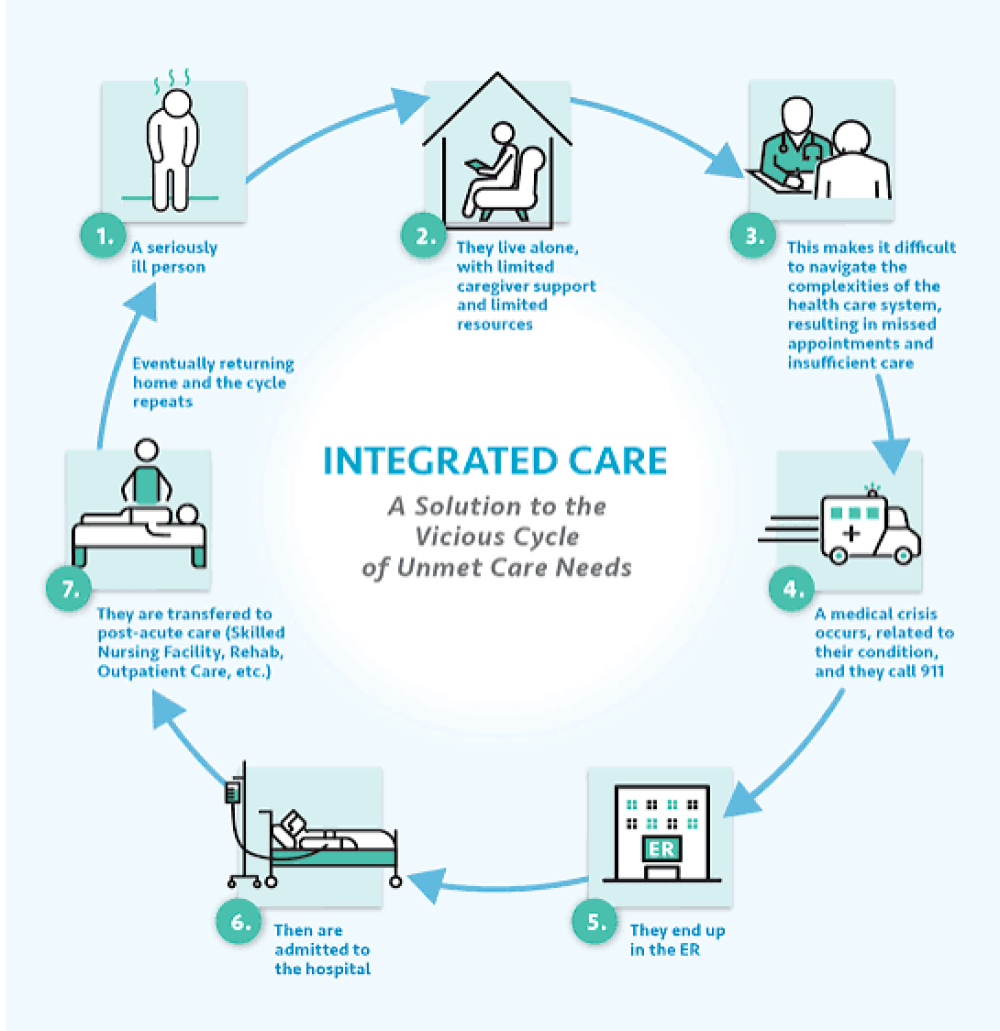
Healthcare systems across the world are under pressure from rising disease burden and workforce shortages to escalating costs and patient expectations. For medical professionals, these challenges are felt daily in overcrowded clinics, fragmented referrals, delayed diagnostics, and poor follow-up. Integrated Healthcare Delivery Models (IHDMs) offer a structured way to address these gaps by coordinating care across providers, levels, and services to improve outcomes, efficiency, and patient experience.
This article provides a practical overview of integrated care models, why they matter, and how clinicians can engage with them in real-world settings particularly within resource-constrained systems such as those found in Nigeria and similar contexts.
What Is Integrated Healthcare Delivery?
Integrated healthcare delivery refers to the organized coordination of health services across the continuum of care from prevention and primary care to secondary, tertiary, and community-based services. The goal is to ensure patients receive timely, continuous, and person-centered care, rather than fragmented, episodic treatment.
Integration can occur at multiple levels:
Clinical integration: coordinated patient care across providers and specialties.
Organizational integration: alignment or merging of healthcare organizations.
Functional integration: shared systems such as health information, financing, and logistics.
Professional integration: collaboration among multidisciplinary teams.
Why Integrated Care Matters to Medical Professionals
For clinicians, integrated delivery models are not abstract policy ideas; they directly affect daily practice.
Key benefits include:
- Reduced duplication of tests and procedures
- Improved referral and feedback loops
- Better chronic disease management
- Clearer clinical accountability
- Enhanced patient satisfaction and adherence
More efficient use of limited workforce and resources
In environments with high patient volumes and limited infrastructure, integration can be the difference between reactive care and sustainable practice.
Common Integrated Healthcare Delivery Models
Primary Care–Led Integrated Networks
Primary care serves as the first contact and coordinator of care, managing referrals to specialists, diagnostics, and community services.
Clinical relevance:
- Family physicians and general practitioners act as care navigators
- Reduces unnecessary specialist visits
- Improves preventive and longitudinal care
Use case: Chronic disease management (hypertension, diabetes, asthma)
Hub-and-Spoke Model
A central tertiary or specialist facility (hub) supports smaller clinics or hospitals (spokes) through referrals, telemedicine, training, and shared protocols.
Clinical relevance:
- Improves access to specialist care in underserved areas
- Supports task-shifting and clinical mentorship
- Enables standardized care pathways
Use case: Oncology, maternal-fetal medicine, dialysis services.
Integrated Care Pathways (ICPs)
Standardized, evidence-based care plans that map out the patient journey across multiple providers and time points.
Clinical relevance:
- Clarifies roles within multidisciplinary teams
- Reduces variation in care
- Improves outcomes and documentation
Use case: Stroke care, trauma management, surgical pathways.
Vertical Integration
Coordination between different levels of care primary, secondary, tertiary often within the same system or network.
Clinical relevance:
- Smoother referrals and discharge planning
- Better continuity of care
- Reduced patient loss to follow-up
Use case: Tuberculosis, HIV, maternal and child health programs
Community-Based Integrated Care
Links clinical services with community health workers, pharmacies, social services, and home-based care.
Clinical relevance:
- Extends care beyond hospital walls
- Improves adherence and health literacy
- Addresses social determinants of health
Use case: Immunization programs, mental health follow-up, elderly care.
The Role of Logistics and Supply Chain in Integrated Care
No integrated model succeeds without reliable logistics and supply-chain coordination. Medication stockouts, delayed lab results, and broken referral chains undermine clinical integration.
For medical professionals, this means:
- Advocating for aligned procurement and distribution systems
- Using shared inventory and reporting tools
- Coordinating with logistics teams to support continuity of care
Integration is not only clinical, it is operational.
Challenges to Implementation.
Despite its benefits, integrated care faces barriers:
- Weak health information systems
- Professional silos and resistance to change
- Inadequate financing models
- Workforce shortages
- Poor data sharing and feedback mechanisms
Medical professionals play a key role in overcoming these challenges by championing teamwork, adhering to standardized pathways, and engaging in continuous quality improvement.
What Medical Professionals Can Do Today
- Participate actively in multidisciplinary team meetings
- Document and communicate clearly across referral points
- Support standardized treatment protocols
- Engage community health workers and allied professionals
- Advocate for systems that enable continuity, not fragmentation
Conclusion
Integrated Healthcare Delivery Models represent a shift from isolated practice to coordinated, patient-centered systems.
For medical professionals, integration is not about losing autonomy, it is about strengthening clinical impact, improving patient outcomes, and practicing medicine more sustainably.
As healthcare demands grow, the future belongs to systems and clinicians that work together.


